Research
Lump sum or a little each month?
You have a large sum to invest. History says put it all in now. Your nerves may say otherwise, and your nerves matter too.

An inheritance, a bonus, the sale of a house. The question arrives with the money: invest it all today, or feed it in over months to avoid buying at the top?
What the data says
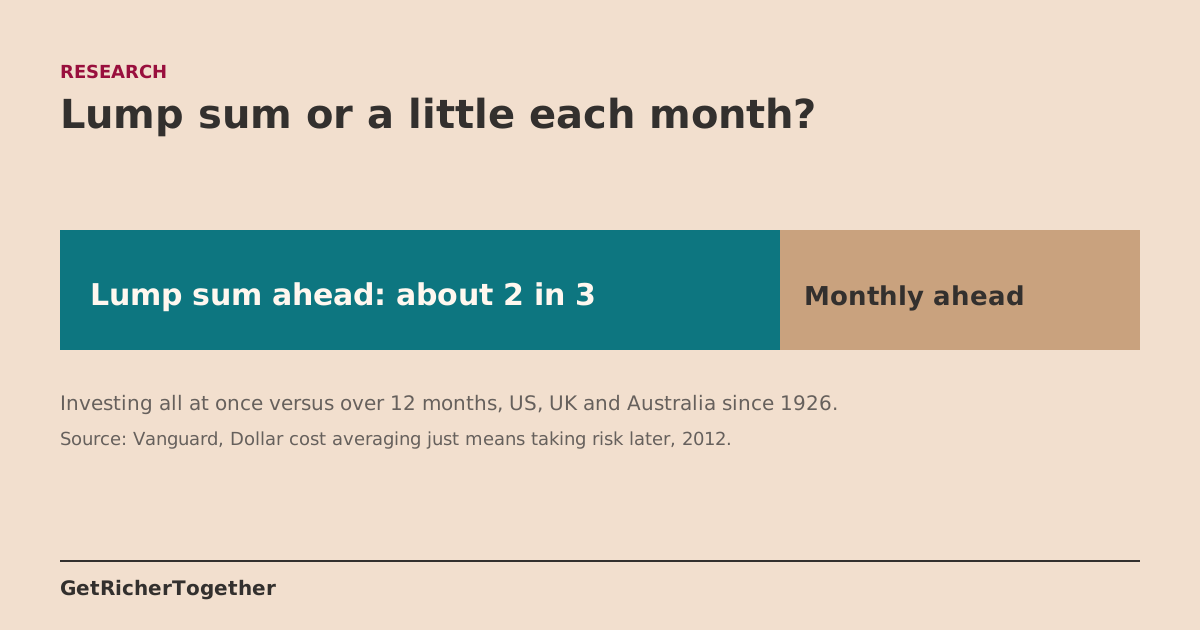
Vanguard studied exactly this in 2012, comparing investing a lump sum at once with spreading it over 12 months, in the US, UK and Australian markets going back to 1926. Lump sum came out ahead about two thirds of the time. US review
The reason is not mysterious. Markets rise more often than they fall, so money waiting in cash usually misses growth. Spreading it out does not remove risk; it takes the same risk later.
Why monthly still makes sense for some people
The other third of the time, lump sum lost, and sometimes badly. If you invest $200,000 and the market drops 30 percent the next year, you will be looking at a $60,000 loss. The question that matters is: would you sell?
If a sharp fall right after investing would make you abandon the plan, spreading the money over 6 to 12 months is a reasonable price for staying invested. A plan you stick to beats a better plan you quit.
A middle path
- Put the money that belongs in your runway (needed within three years) in cash first.
- Invest half of the rest now and the other half over the next six months.
- Automate it, so the schedule does not depend on how the news makes you feel.
And the money you invest every month?
That is different. Investing from each paycheck is not a choice between lump sum and monthly; it is simply investing money the day you have it, which is exactly what the research favors.